




























Tile Popping in Floors: Why It Happens & How to Avoid It
November 18, 2025
Floor tiles add elegance and finish to your space, but nothing spoils the look or function faster than tiles popping up or debonding of the tiles. This common defect isn’t just about aesthetics—it signals deeper installation or substrate issues. Let’s explore the main causes of tile popping and what you can do about them.
What Is Tile Popping?
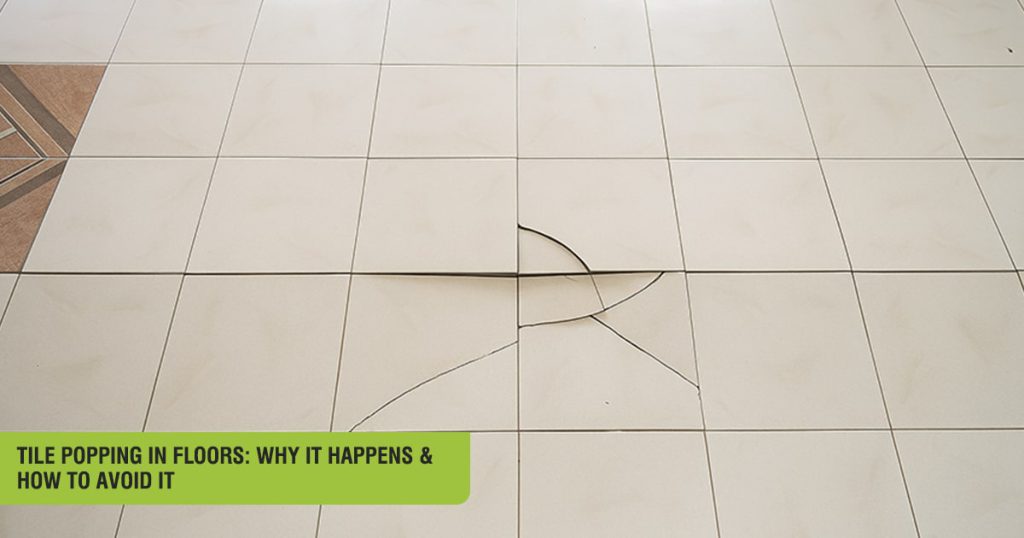
Tile popping occurs when tiles lift or become loose from their substrate, creating uneven surfaces or hollow spots. This can be dangerous underfoot and often results in costly repairs or replacement.
Main Causes of Tile Popping
-
Inadequate Cleaning of the Substrate
If dust, debris, or previous coatings remain on the floor before tile installation, the adhesive may not bond properly. Poor surface preparation is a primary reason tiles later lose adhesion.
-
Uneven or Incorrect Tile Setting
Large-format tiles and modern layouts demand precise adhesive application and correct troweling technique. If tiles are not pressed flat and firmly into the adhesive bed, uneven bonding increases the risk of popping.
-
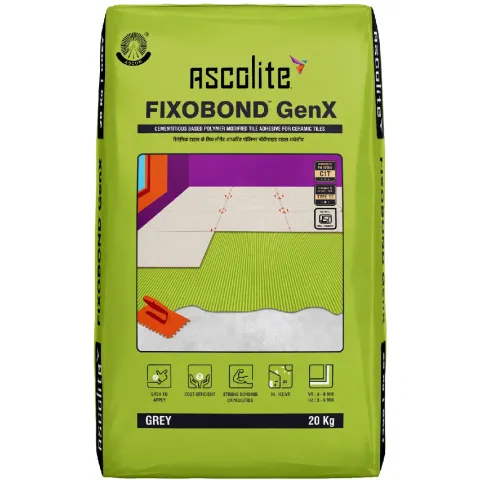
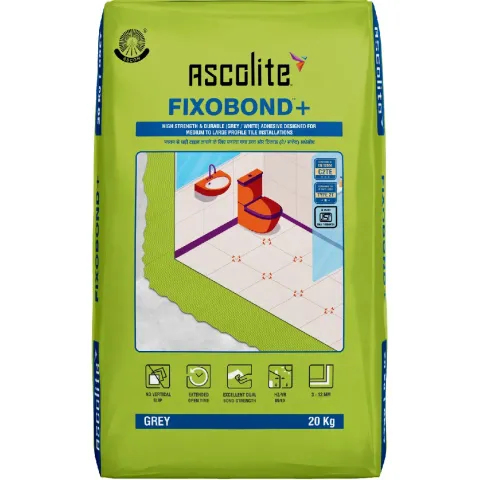
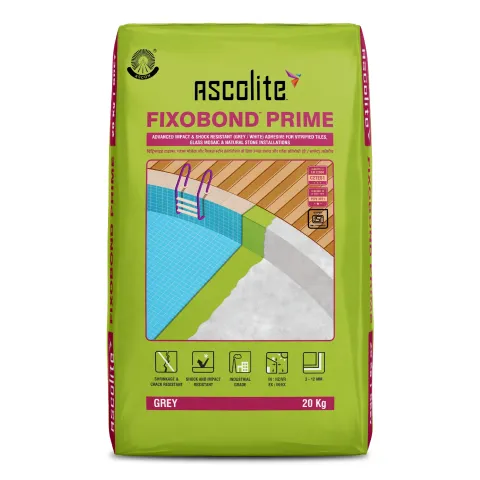
Substandard Tile Adhesive
Tiles on intensive exposure surfaces—outdoors, sunny areas, or heavy foot-traffic zones—require high-performance adhesive. A weak adhesive can allow tiles to “pop” under pressure, movement or heat.
-
Reusing Old Tiles
Tiles lose resilience over time. Older tiles tend to become brittle, less flexible, and less forgiving of changes beneath. Installing these can increase the risk of failure later.
-
Bent or Defective Tiles
Sometimes the issue starts with the tile itself. Bent, warped or malformed tiles may not sit flat. This results in poor initial bonding and premature lifting of tiles.
-
Uneven Sub-floor Surface
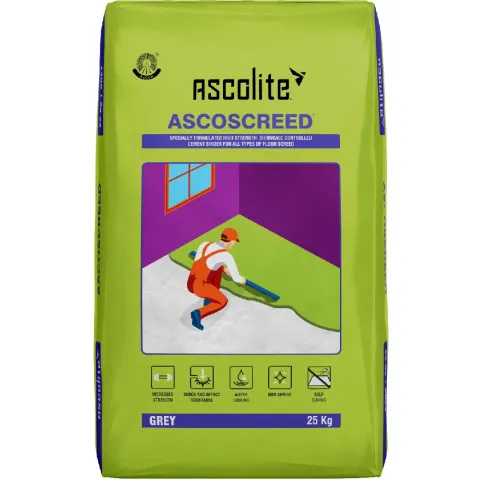
A perfectly level and sound substrate is essential. If the sub-floor is uneven, the adhesive isn’t uniformly applied, and some tiles may remain hollow beneath, setting up conditions for popping.
What You Can Do to Prevent Tile Popping
- Ensure the substrate is clean, dry and levelled before you begin.
- Use the right adhesive according to tile type and usage.
- Apply adhesive with a notched trowel suited to tile size, ensuring full contact.
- Ensure the substrate has minimum movement and is structurally sound.
- Avoid reusing old or damaged tiles.
- Use proper expansion joints and leave room for thermal movement where required.
- Choose installation materials and processes that match the site conditions (sun exposure, moisture, traffic).
Final Thoughts
Tile popping may start as a small issue beneath your feet, but left unchecked, it can become a major headache—affecting safety, aesthetics and long-term durability. Proper installation starts beneath the surface: clean substrate, correct materials and techniques, and attention to movement and conditions. Get these right, and you’ll enjoy a flawless floor for years to come.


