




























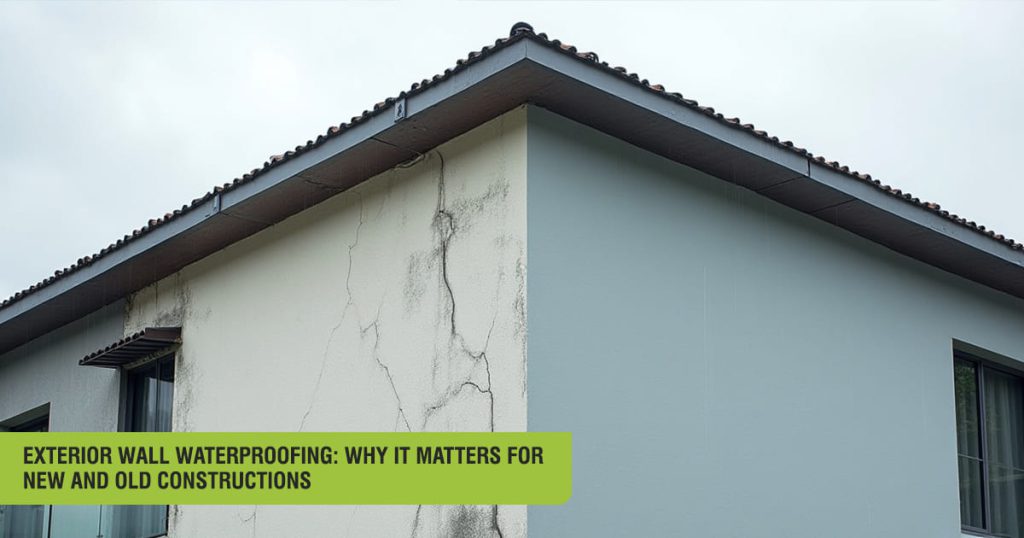
Exterior Wall Waterproofing: Why It Matters for New and Old Constructions
July 18, 2025
When it comes to protecting your home or building, exterior wall waterproofing is a critical first line of defense. The exterior walls face constant exposure to harsh weather conditions—rain, humidity, sunlight, and temperature variations. Without proper waterproofing, these elements gradually deteriorate the structure, leading to long-term damage and costly repairs.
In this blog, we’ll discuss why waterproofing your exterior walls is essential, the potential risks of neglecting it, the typical time it takes, and the ideal weather conditions for the job—whether you’re working on a new construction or renovating an existing property.
Exterior Wall Waterproofing for New Construction
When building a new home or commercial space, waterproofing should be planned right from the construction stage.
Why It’s Important:
- Prevent Structural Damage: Waterproofing safeguards fresh walls against water ingress, avoiding cracks, seepage, and weakening of structural integrity.
- Protect Finishes: A well-waterproofed wall prevents paint peeling, efflorescence (white salt deposits), and damp patches, ensuring your walls look pristine for years.
- Cost-Effective in the Long Run: Addressing waterproofing during construction is less expensive than post-construction repairs.
Risks If Ignored:
- Water seepage can start showing within months of completion.
- Damage to interiors—furniture, paint, electrical systems—due to dampness.
- Higher long-term maintenance and repair costs.
Exterior Wall Waterproofing for Old Constructions (Renovation Projects)
If you’re living in an older property or planning a renovation, don’t overlook waterproofing during upgrades.
Why It’s Necessary:
- Restore Wall Strength: Over time, water penetration can weaken masonry and plaster. Waterproofing helps restore and protect wall strength.
- Eliminate Persistent Dampness: Renovation is the ideal time to address recurring damp patches, mold growth, or cracks caused by water seepage.
- Prevent Future Expenses: Waterproofing now prevents further deterioration, saving money on frequent repainting or repairs.
Risks If Delayed:
- Ongoing water seepage may worsen existing cracks or cause new ones.
- Persistent mold and mildew pose health risks.
- Aesthetic damage like discoloration and wall dampness.
How Long Does Exterior Wall Waterproofing Take?
- New Construction: Usually integrated during plastering or finishing stages; may take 7–15 days depending on surface area and coating layers.
- Old Construction (Renovation): Typically takes 5–10 days depending on the extent of repairs needed before waterproofing.
Drying times between coats and the curing process also affect total duration.
Ideal Weather Conditions for Exterior Wall Waterproofing
Waterproofing requires dry conditions for effective application and curing.
- Avoid Rainy Season: Moisture on walls can compromise adhesion and drying.
- Prefer Dry, Mild Weather: Pre-monsoon or post-monsoon periods are best—generally with low humidity and no forecast of rain for at least a week.
Temperature Range: Ideally between 20°C to 35°C for optimal curing and bonding of waterproofing products.
Conclusion
Whether it’s a brand-new building or a cherished old home, exterior wall waterproofing is not optional—it’s essential. It preserves your property’s structural integrity, enhances aesthetic appeal, and saves you from expensive repairs.
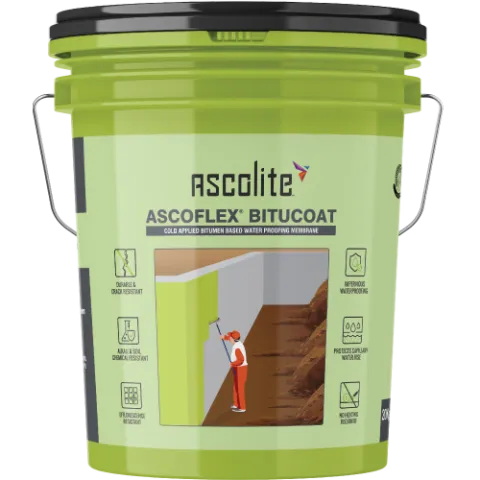
At Ascolite, we offer high-performance waterproofing solutions designed for both new constructions and renovation projects, helping homeowners and builders protect their investments for the long haul.


