
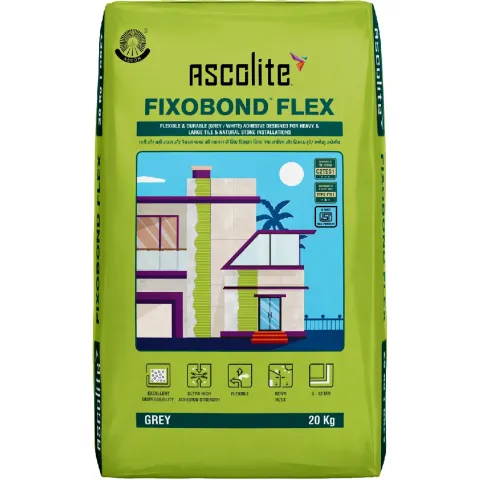
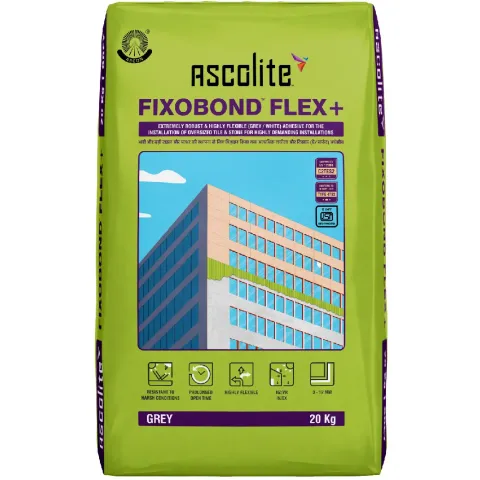
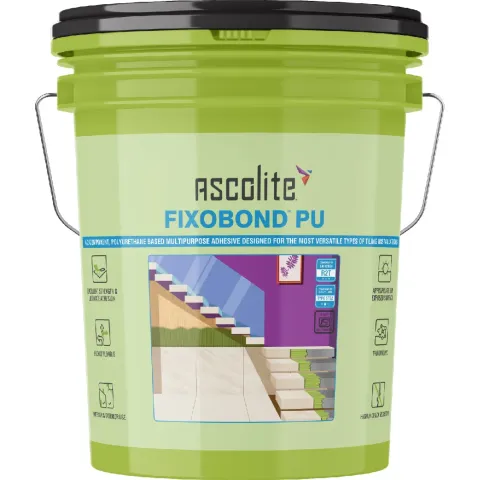
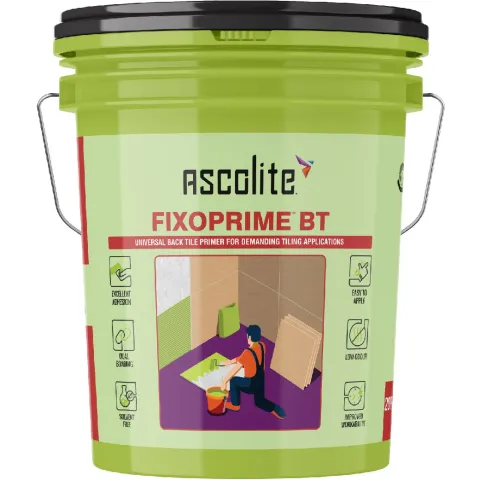




























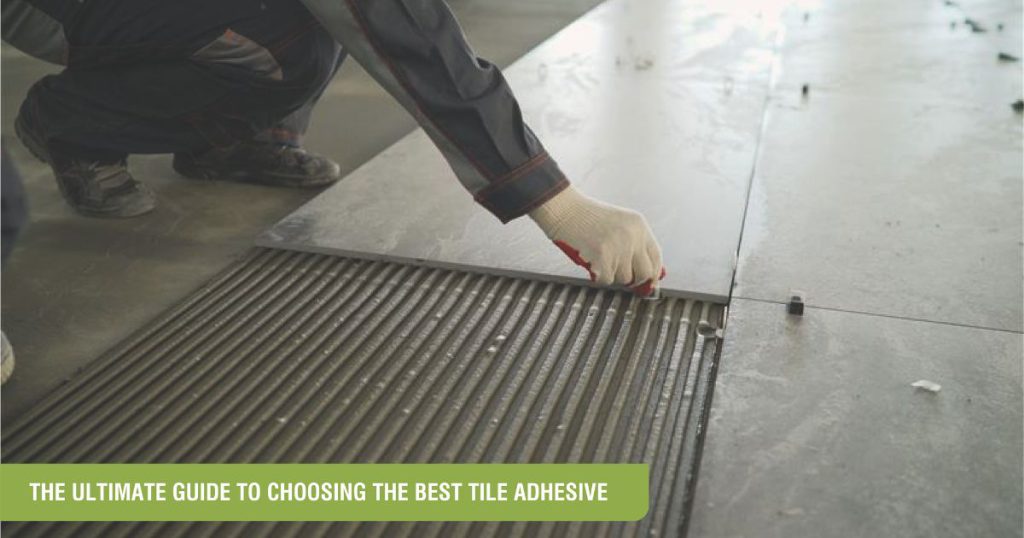
The Ultimate Guide to Choosing the Best Tile Adhesive for Long-Lasting Tile Installation
December 15, 2025
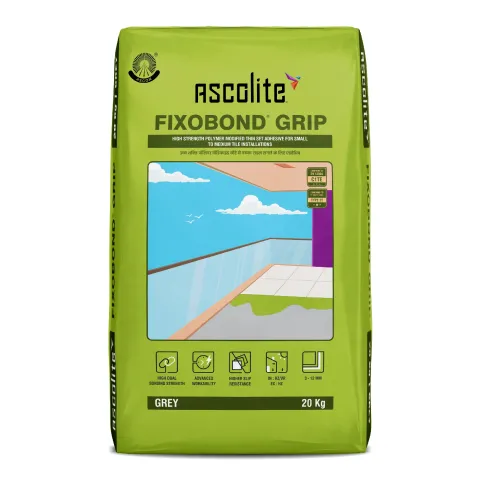
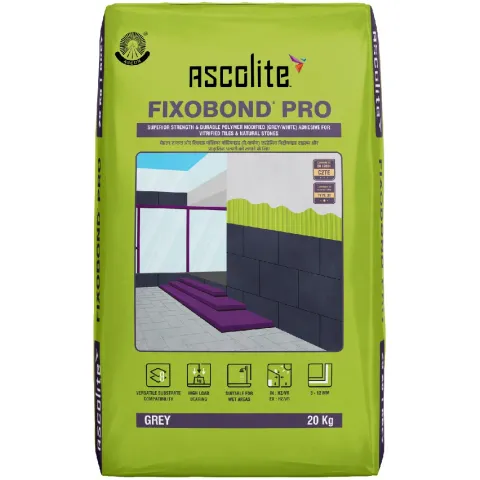
Embarking on a tiling project—whether in a new home, renovation, or commercial space—requires more than selecting beautiful tiles. The real foundation of a durable and flawless installation lies in choosing the right tile adhesive. With modern tiles becoming larger, denser, heavier, and more design-intensive, adhesive selection has become a technical decision that directly affects performance, longevity, and structural safety.
This comprehensive guide, written from the perspective of a construction-chemical expert with 10+ years of industry experience, will walk you through everything you need to know about tile adhesives—their types, characteristics, applications, and how to choose the best adhesive for every situation.
Understanding Tile Adhesive
Selecting the correct tile adhesive is just as critical as choosing the tiles themselves. Adhesive forms a chemical bond between the tile and the substrate, determining whether your flooring or wall installation remains intact for years—or begins to fail within months.
Modern tile adhesives are engineered with polymers, flexible binders, and advanced additives to ensure superior grip, thermal movement accommodation, and long-term durability, especially in areas exposed to moisture, vibration, or heat.
What Is Tile Adhesive?
It is a specially formulated bonding compound used to fix ceramic, vitrified, porcelain, natural stone, glass mosaic, and other tiles onto various substrates such as concrete, plaster, cement screed, plywood, gypsum boards, cement sheets, or even existing tiles.
Compared to traditional cement-sand mortar, modern tile adhesives offer:
- Stronger bonding strength
- Compatibility with modern tiles
- Versatile substrate compatibility
- High flexibility
- Excellent slip resistance
- Uniform, thin-layer application
- Higher coverage and improved workability
Tile adhesives not only simplify installation but also ensure precision, durability, and a superior finish.
Types of Tile Adhesive and Their Uses
Choosing the correct tile adhesive depends on tile type, substrate condition, environment, and expected load. Below is a detailed explanation of the most widely used adhesive types.
Cement-Based Tile Adhesive
Cement-based adhesives are the most common and versatile option in residential and commercial tiling. They contain cement, polymers, fillers, and additives to improve bonding strength and flexibility.
Key Features
- High bond strength for ceramic, vitrified, and porcelain tiles
- Flexible polymer modification
- Excellent slip resistance for wall applications
- Suitable for wet areas like bathrooms and balconies
- Long open time and easy workability
Best Uses
- Indoor and outdoor floors
- Living rooms, kitchens, and corridors
- Ceramic, vitrified, and porcelain tiles
- Large-format tiles (using C2 grade)
Cement-based adhesives are classified as:
- Type 1 – Normal Tile Adhesive (Basic Grade)
- Type 2 – Improved Tile Adhesive (High Adhesion Grade)
- Type 3 or Type 3S1 or Type 3S2 – High Performance Tile Adhesive (Heavy Duty & Flexible Grade)
- Type 4 or Type 4S1 or Type 4 S2 – Extreme Performance Tile Adhesive (Ultra-Flexible for Specialised Application)
Polyurethane (PU) based Tile Adhesive
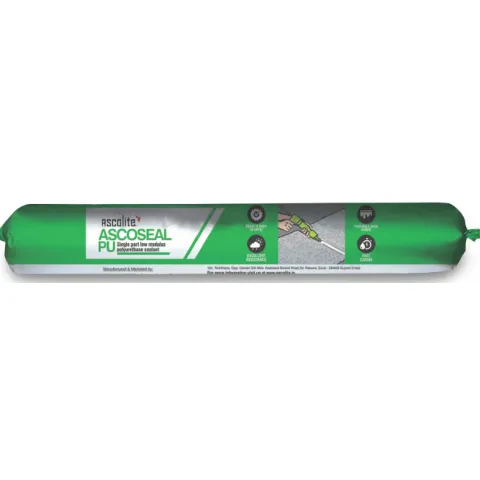
PU adhesives are the strongest and most chemically resistant tile adhesives available.
Key Features
- Exceptional bonding strength
- Extreme flexibility
- Highly resistant to chemicals, stains, and oils
- Ideal for high-load and industrial areas
- Excellent for glass mosaics and submerged environments
Best Uses
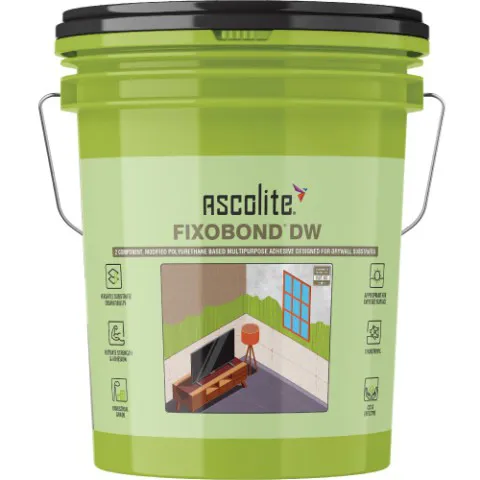
- Drywall panels like gypsum board, calcium silicate board, cement board, etc.
- Metals Surface
- Glass Surface
- Plywood
- Installing decorative panels
Pro Tip: PU adhesives must be mixed carefully; improper ratios affect curing and strength.
Why Choosing the Right Tile Adhesive Matters?
Tile adhesive is the unseen hero of every installation. Using the wrong adhesive leads to:
- Tile popping
- Hollowness under tiles
- Cracks due to movement
- Moisture seepage and dampness
- Long-term structural failure
Below are key reasons why adhesive choice directly affects project success.
-
Prevents Tile Failure and Debonding
Tiles can fail due to insufficient bonding strength—common when using cement-sand mortar or the wrong adhesive grade. Polymer-modified adhesives prevent:
- Tile popping
- Detachment under load
- Hollowness
- Uneven bonding on low-porosity tiles
Always choose Type 2 adhesive for vitrified, porcelain, or large-format tiles.
-
Improves Durability and Structural Safety
Tiles face:
- Thermal expansion
- Live loads
- Structural vibrations
Flexible or polymer-modified adhesives absorb this movement, preventing cracks and ensuring long-term tile stability.
-
Ensures Perfect Tile Alignment and Finish
Tile adhesive allows thin-bed installation (3–5 mm), ensuring:
- Equal thickness
- Perfect leveling
- No lippage
- Clean grout lines
Professional, seamless finish
-
Saves Time and Cost
Tile adhesives:
- Reduce material consumption
- Offer longer open time
- Increase coverage
- Reduce labor dependency
- Minimize waste and rework
They enable faster installation and significantly lower lifetime maintenance costs.
-
Enhances Water Resistance
Moisture-prone areas require adhesives that resist:
- Water absorption
- Mold growth
- Damp patches
- Efflorescence
Water-resistant or epoxy adhesives are essential for kitchens, bathrooms, balconies, and terraces.
-
Provides a Strong, Long-Term Foundation
Strong adhesives ensure:
- Uniform stress distribution
- Protection against environmental changes
- Structural integrity over decades
Your tiles will remain intact and beautiful for years.
How to Choose the Best Tile Adhesive for Different Applications
| Area | Recommended Adhesive | Tile Type | Key Features |
| Bathroom & Kitchen Walls | Type 2 | Ceramic/Glazed | Anti-slip, water-resistant |
| Living Room Floors | Type 2 | Vitrified/Porcelain | Strong bonding |
| Outdoor Areas | Type 3 | Granite/Natural Stone | Weather-resistant |
| Swimming Pools | Type 3 | Mosaics/Glass Tiles | Highly compatible for submerged areas |
| Tile-on-Tile | Type 2 | Porcelain/Ceramic | High bond strength on substrate with very little porosity |
| Fireplaces/High-rise outdoor | Type 4 | Ceramic | Highly flexible with ultimate bond strength |
| Metal or wooden Stairs | Type 5 | Marble/Granite | Extreme bonding on drywall substrates and metals |
Common Mistakes to Avoid When Selecting Tile Adhesive
- Ignoring Tile Type
Different tiles require specific adhesives. Dense tiles like vitrified or porcelain need polymer-modified Type 2 or Type 3 adhesives.
- Poor Surface Preparation
Dust, grease, and loose particles prevent bonding. Surfaces must be:
- Clean
- Dry
- Structurally sound
- Incorrect Mixing
Wrong water ratio reduces strength. Follow the manufacturer’s instructions strictly.
- Ignoring Environmental Conditions
Outdoor or wet areas need Type 3 or Type 2 adhesives.
- Applying Thick Layers
Adhesives are meant for thin-bed application. Thick layers lead to:
- Cracks
- Hollowness
- Weak bonding
- Exceeding Pot Life or Open Time
Spread adhesive only in small workable areas.
- Ignoring Movement Joints
Expansion joints prevent tile buckling and stress cracks.
Tile Installation Process
-
-
-
Preparing the Surface
The substrate must be:
• Clean
• Level
• Firm
• Free of laitance, dust, or oil
Repair cracks and ensure a smooth base for adhesion. -
Applying Tile Adhesive
Use the correct notched trowel to ensure uniform grooves and proper coverage. Back-buttering may be required for heavy tiles.
-
Setting the Tiles
Apply consistent pressure and use spacers for uniform joint width. Regular levelling checks ensure a flawless finish.
-
-
Durability and Performance of Tile Adhesives
Long-Lasting Adhesive Options
Polymer-modified, cementitious, and PU adhesives offer exceptional longevity under varying environmental conditions.
Testing Adhesive Strength
Most manufacturers specify tensile and shear strength in technical data sheets. Choose adhesives certified under standards like IS 15477: 2019 or EN 12007: 2017.
Maintenance Tips
- Use pH-neutral cleaners
- Inspect grout regularly
- Seal joints in high-moisture zones
Conclusion
Choosing the right tile adhesive is crucial to achieving a durable, beautiful, long-lasting tile installation. Each adhesive type—cementitious, polymer-modified, PU, or flexible—serves a specific purpose. Considering tile type, substrate condition, environmental factors, and load ensures optimal performance and longevity.
A well-selected adhesive not only enhances strength but also elevates the visual quality of your flooring or walls.
FAQ
- Which tile adhesive should I use for bathroom walls?
Type 2, anti-slip cement-based adhesive is ideal for bathroom walls. - Can tile adhesive be used over old tiles?
Yes, but only with a strong polymer-modified adhesive designed for tile-on-tile application. - How long does tile adhesive take to cure?
Most cement-based and PU-based adhesives cure in 24 hours. - What is the strongest tile adhesive?
PU adhesives offer the highest bond strength and chemical resistance. - Can tile adhesive be used outdoors?
Yes—choose flexible or polymer-modified adhesives for exterior use. - Is tile adhesive better than cement?
Yes, it offers superior bonding, durability, water resistance, and finish. - How much adhesive is required per square meter?
Approximately 1–1.5 kg per ft2, depending on tile size and substrate. - Can tiles be fixed on painted or plastered walls?
Remove loose paint and roughen the surface to ensure proper bonding. - Do I still need grout if using tile adhesive?
Grout fills joints, prevents moisture penetration, and enhances longevity.


