




























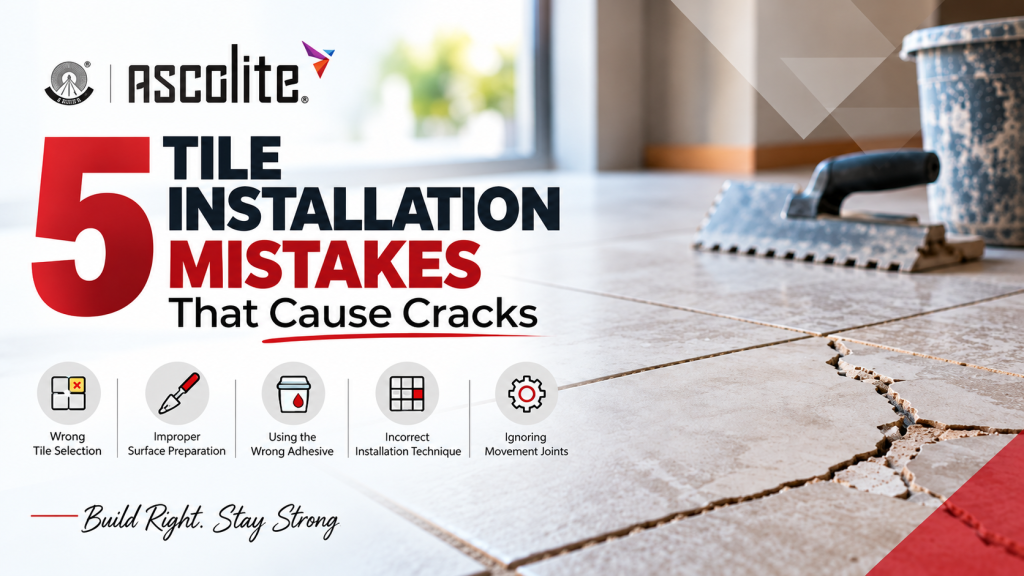
5 Tile Installation Mistakes That Cause Cracks
September 28, 2026
A cracked tile is often treated as a simple surface problem, but the real cause can be much deeper. Poor substrate preparation, incorrect adhesive selection, improper application, movement in the substrate, and unsuitable grouting practices can all contribute to tile cracks, tile debonding, hollow spots and premature installation failure.
With modern tile formats becoming larger, denser and more diverse, successful tiling depends on selecting the right installation system, not just the right tile.
Ascolite offers a complete range of tile and stone installation solutions, including tile adhesives, primers, additives, grouts and specialty products designed for different substrates, tile types and application conditions.
Here are five common tile installation mistakes that can lead to cracks and other failures and how to avoid them.
1. Installing Tiles on an Unprepared or Uneven Surface
One of the most common tile installation mistakes happens before the adhesive is even applied.
Dust, grease, laitance, loose particles, weak plaster, uneven surfaces or unstable substrates can prevent proper adhesion. An uneven substrate can also result in inconsistent adhesive coverage beneath the tile, creating unsupported areas.
When movement or load is transferred through the tile, these weak or hollow areas can become points where cracking or debonding begins.
How to avoid it
Before tiling, make sure the substrate is clean, sound and suitable for the intended installation. Surface preparation should also follow the requirements of the selected adhesive and substrate.
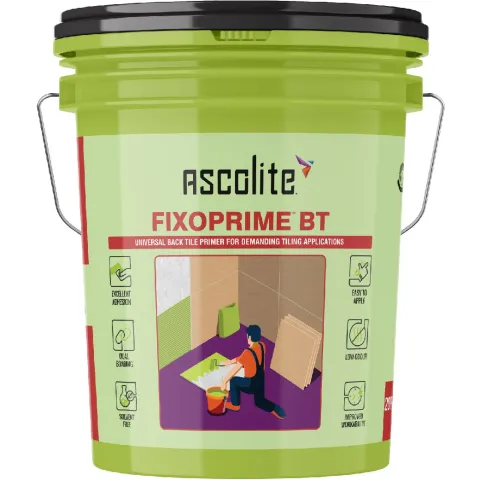
For demanding installations, FIXOPRIME BT can be considered where appropriate. Ascolite describes it as a ready-to-use acrylic ester-based primer formulated to promote strong bonding between FIXOBOND adhesives and various substrates. The company also lists applications including tile-on-tile and several difficult substrate conditions.
Recommended Ascolite product: FIXOPRIME BT
2. Choosing the Wrong Tile Adhesive
Different tiles and installation environments have different requirements. Using the same adhesive for every project can increase the risk of tile cracking, debonding, tile popping and poor bond strength.
For example, dense vitrified tiles, large-format tiles, natural stone and installations exposed to vibration or demanding environmental conditions may require a higher-performance or more flexible adhesive.
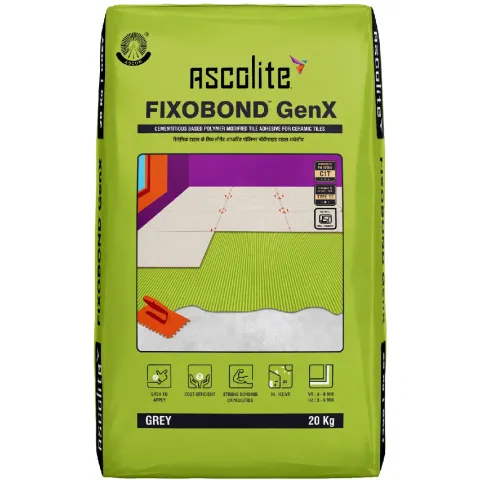
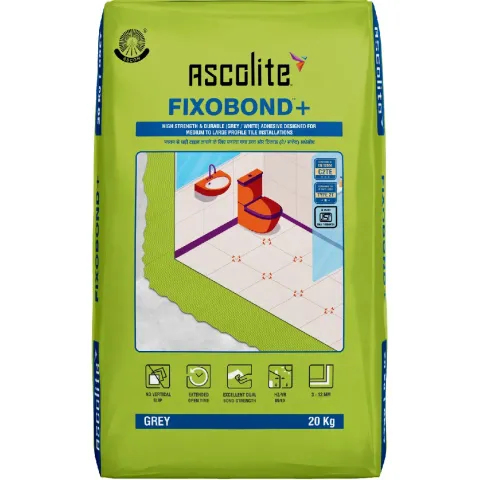
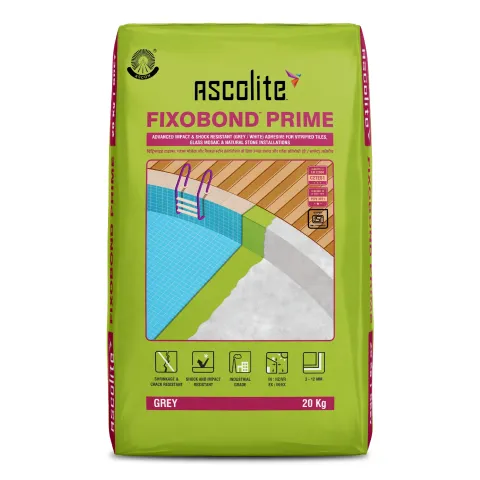
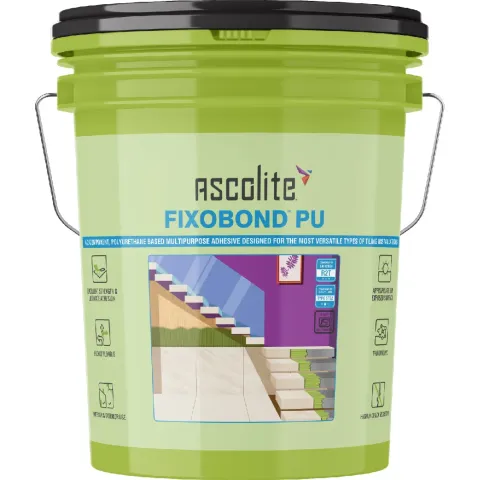
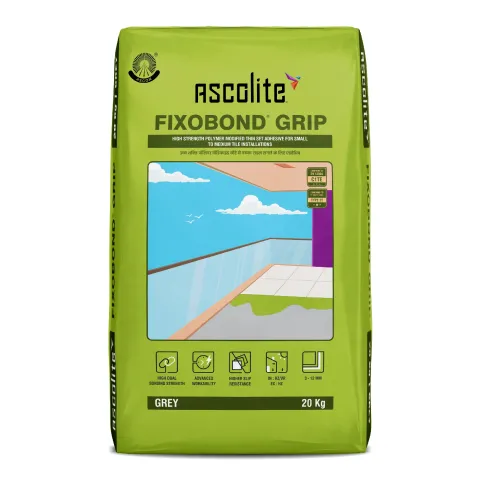
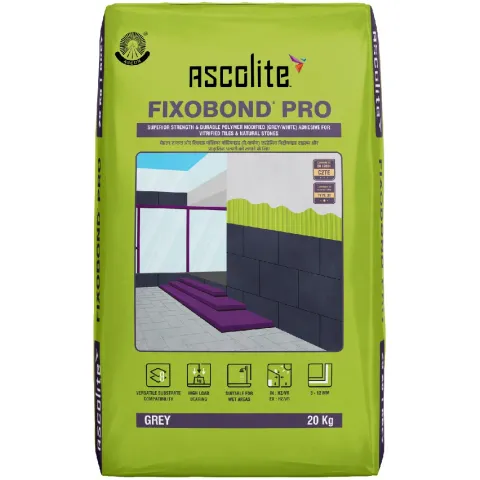
Ascolite’s tile adhesive range includes FIXOBOND®, FIXOBOND®+, FIXOBOND® PRIME, FIXOBOND® FLEX, FIXOBOND® FLEX+, FIXOBOND® PRO, FIXOBOND® PU and other specialised solutions.
Choosing the right Ascolite adhesive
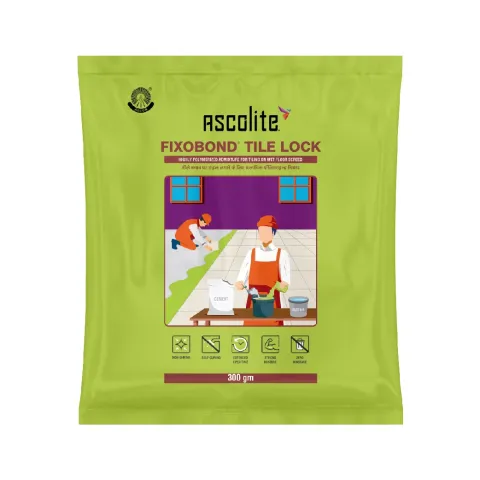
FIXOBOND® is a polymer-modified cement-based adhesive for internal floors and internal walls and is suitable for ceramic and certain vitrified tile applications.
FIXOBOND® PRIME is a high-strength polymer-enriched adhesive designed for interior and exterior walls and floors and is suitable for vitrified tiles, glass mosaics, marble and granite, among other materials.
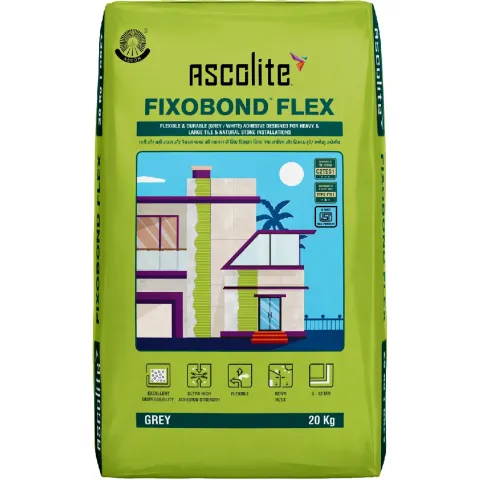
For larger or heavier tiles and areas exposed to vibration or limited movement, FIXOBOND® FLEX provides a flexible, high-performance option. Ascolite specifies it for heavy or large ceramic tiles and natural stones across a range of interior and exterior applications.
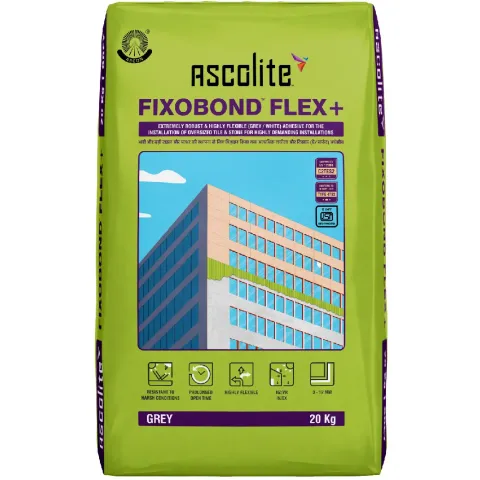
FIXOBOND® FLEX+ offers another flexible, high-performance option for demanding installations, including applications involving dense vitrified tiles, marble and natural stone.
Recommended Ascolite products: FIXOBOND® PRIME, FIXOBOND® FLEX
3. Applying Adhesive Incorrectly
Selecting the right adhesive is only half the job. Incorrect adhesive application can compromise the installation even when the product itself is suitable.
Common problems include using an unsuitable trowel, applying insufficient adhesive, creating inconsistent ridges, installing over an unsuitable area, or failing to achieve adequate contact between the tile and adhesive bed.
These conditions may create hollow areas beneath the tile. With everyday loads, temperature changes or substrate movement, stress can become concentrated in these unsupported areas.
Ascolite highlights the importance of proper substrate condition and application requirements across its tile adhesive range. Its product pages also provide coverage guidance and a Tile Adhesive Calculator to help estimate adhesive requirements.
How to avoid this mistake
Use the recommended troweling method and application thickness for the selected product and tile. Follow the manufacturer’s mixing, open-time and application instructions rather than adjusting the product according to guesswork.
For demanding applications, FIXOBOND® AD can also be used with selected FIXOBOND products where specified to enhance adhesion and flexibility.
Recommended Ascolite product: FIXOBOND® AD
4. Ignoring Movement, Thermal Changes and Expansion Joints
Tiles may be rigid, but buildings and substrates are not completely static. Temperature changes, vibration, structural movement and other dimensional changes can place stress on a tile installation.
If movement is not adequately accommodated, stress can transfer directly to the tiles or joints and contribute to cracking, tenting or debonding.
This becomes particularly important in outdoor areas, large floor spaces, high-traffic locations and installations exposed to vibration.
How to avoid it
Movement joints and expansion provisions should be incorporated according to the project design and applicable installation requirements.
For areas where additional flexibility is important, products such as FIXOBOND® FLEX and FIXOBOND® FLEX+ are designed for demanding applications and environments that may experience vibration or limited deflection.
However, an adhesive should not be considered a substitute for correctly designed movement joints. The complete installation system must be planned according to site conditions.
5. Treating Grouting as an Afterthought
Grout is sometimes considered purely decorative because it fills the visible spaces between tiles. In reality, correct grout selection and application are important parts of a durable tile installation.
An inappropriate grout can lead to problems such as staining, shrinkage, water-related issues or deterioration of joints, particularly in demanding environments.
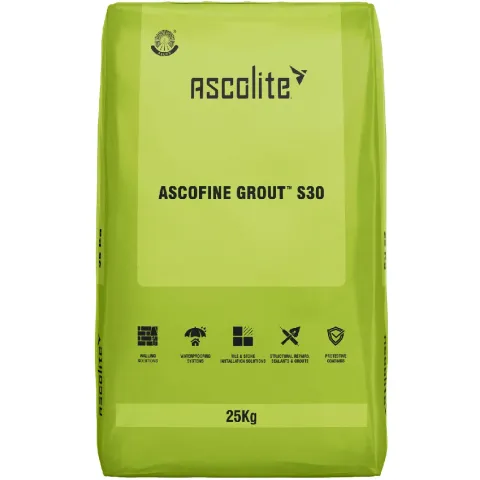
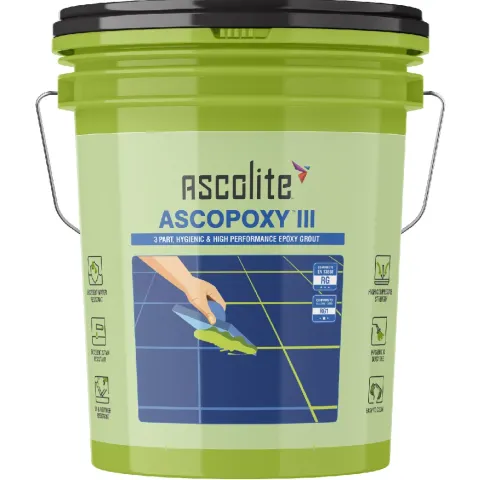
Ascolite provides several grouting options, including ASCOFINE GROUT, ASCOFINE GROUT S30 and ASCOPOXY / ASCOPOXY III.
ASCOFINE GROUT
ASCOFINE GROUT is a polymer-modified cement-based grout designed for ceramic, porcelain, vitrified tiles, natural stone, glass mosaic and marble. Ascolite lists features including stain resistance and non-shrink performance.
ASCOFINE GROUT S30
For applications requiring a polymer-modified sanded grout, ASCOFINE GROUT S30 is designed for durable tile installations and is described by Ascolite as offering flexural and bond strength.
ASCOPOXY / ASCOPOXY III
For demanding wet environments, ASCOPOXY / ASCOPOXY III is a solvent-free epoxy grout and adhesive with water, stain, UV and chemical resistance. Ascolite lists applications including bathrooms, water tanks and water bodies.
Recommended Ascolite products: ASCOFINE GROUT, ASCOFINE GROUT S30, ASCOPOXY / ASCOPOXY III
How to Prevent Cracks in Tile Installation
Avoiding cracked tiles starts with treating tiling as a complete installation system rather than simply sticking a tile to a surface.
A practical checklist includes:
Prepare the substrate: Ensure it is clean, sound and suitable.
Select the correct adhesive: Match the adhesive to the tile, substrate and environmental conditions.
Follow the application method: Respect mixing ratios, troweling technique, coverage, open time and application thickness.
Allow for movement: Plan movement and expansion joints where required.
Choose the right grout: Select grout according to tile type, joint requirements and exposure conditions.
Use compatible products: Where required, use primers or additives recommended for the installation system.
Choose the Right Tile Installation System
Cracked tiles are not always caused by the tile itself. In many cases, installation quality, substrate conditions, adhesive selection and movement management play an important role.
Ascolite’s Tile and Stone Installation Solutions portfolio covers tile adhesives, primers, additives, grouts and other specialised products for a wide variety of installation requirements.
Explore the complete Ascolite Tile and Stone Installation Solutions to select products based on your tile type, substrate and application conditions.
Frequently Asked Questions
What causes tiles to crack after installation?
Cracking can be associated with several factors, including substrate movement, poor surface preparation, insufficient or uneven adhesive coverage, unsuitable adhesive selection and inadequate movement accommodation.
Can the wrong tile adhesive cause cracks?
Yes. An adhesive that is unsuitable for the tile, substrate or installation environment can contribute to poor bonding and installation failure. Ascolite offers different adhesive grades for different tile and site conditions.
Is tile adhesive better than traditional cement?
The appropriate installation material depends on the tile, substrate and project requirements. Ascolite’s tile adhesive range is designed for specific tile and substrate applications and can provide controlled, purpose-developed bonding performance.
Which Ascolite adhesive is suitable for large tiles?
Ascolite FIXOBOND® FLEX is specifically described for heavy or large ceramic tiles and natural stones and for areas that may experience vibration or limited deflection. FIXOBOND® FLEX+ is another high-performance flexible option for demanding installations.
Which grout should be used in wet areas?
The appropriate grout depends on the application. Ascolite ASCOPOXY / ASCOPOXY III is designed for demanding wet environments and is listed for bathrooms, water tanks and water bodies.


